

Posted
Is an RVIA-Certified Camper Van Worth It? Financing, Insurance & Resale
If you've been researching camper vans for any length of time, you've probably come across the term "RVIA certified" and wondered whether it actually matters or whether it's just a sticker builders use to justify charging more.
The answer: It matters. A lot, actually. And most people don't figure that out until they're sitting across from a loan officer or trying to get a quote from an insurance company and suddenly the whole thing gets complicated. Let's break down what the certification really means, what it does for you financially, and why it changes the math on a custom build more than most people expect.
What does RVIA certification actually mean?
RVIA stands for the Recreation Vehicle Industry Association. It's the main trade organization for the RV industry in the United States, and its certification program is the closest thing the industry has to a safety and quality standard that banks, insurers, and government agencies actually recognize. When a builder is RVIA certified, they've agreed to build to very specific standards, which cover electrical systems, propane, ventilation, fire safety, and structural integrity. An independent inspector checks their work on an ongoing basis. This isn't a one-time test. It's a continuous inspection program tied to every unit that rolls out the door.
A DIY build or an uncertified conversion has none of that. The builder might be talented. The van might look incredible. But there's no third-party verification, no adherence to a published safety standard, and no documentation that a lender or insurer can point to when they're trying to assess risk. That gap has real consequences.
 ×
How RVIA certification affects camper van financing
Getting a loan for a camper van conversion is not the same as financing a factory-built RV off a dealership lot. Lenders are cautious about custom vehicles, and for good reason. A converted van is a piece of real estate on wheels. The value depends heavily on the quality of the build, the components installed, and whether the work meets any recognized standard. Banks have been burned by conversions that looked great in photos and turned out to be fire hazards or structural messes. RVIA certification is one of the primary ways a lender can get comfortable with a non-standard vehicle.
Most RV-specific lenders and credit unions that offer recreational vehicle loans will treat an RVIA-certified camper van as a titled recreational vehicle. That means you may qualify for longer loan terms (often 10 to 20 years), lower interest rates than a personal loan, and a much smoother approval process. Without certification, you're often stuck applying for a personal loan at a higher rate with a shorter term, or trying to finance the build as a general vehicle purchase, which most banks won't touch at the dollar amounts a quality conversion commands.
The practical difference in monthly payments can be significant. A $120,000 build financed over 15 years at an RV loan rate looks very different from the same amount financed over 5 years at a personal loan rate. Certification can be the difference between a payment that fits into a real budget and one that doesn't.
What RVIA certification means for camper van insurance
Insurance is where uncertified builds get into serious trouble. Standard auto insurance covers your van as a vehicle, not as an RV. It won't cover the custom interior, the lithium battery system, the solar array, or any of the equipment that makes up the majority of the build's value. For a $150,000+ conversion, that's a lot of expensive stuff that isn't protected.
RV insurance, on the other hand, is designed to cover the whole rig: the vehicle, the conversion components, total loss replacement, personal belongings, and sometimes full-timer coverage if you live in it. But RV insurers want to know what they're insuring meets a real standard. RVIA certification gives them that. For uncertified conversions, getting the same level of coverage is much harder, and some carriers won't touch them at all.
There's also the claim scenario to think about. If your uncertified van has an electrical fire and your insurer discovers the wiring didn't meet any recognized standard, you may be looking at a denied claim on the grounds that the vehicle was modified in a way that created an unacceptable risk. RVIA certification doesn't make you bulletproof, but it does give you a documented paper trail showing the build was inspected and met published safety standards. That matters when you're arguing with an adjuster.
How RVIA certification affects camper van resale value
The used camper van market has matured considerably. Buyers who were new to van life five years ago are now experienced enough to ask the right questions, and one of those questions is whether the van is RVIA certified. Increasingly, the answer determines whether serious buyers will consider a van at all, especially at higher price points.
An RVIA-certified van can be titled as a recreational vehicle in most states, which affects how it's sold and how the next buyer finances it. That's a meaningful advantage. A buyer who can get an RV loan on your van has more purchasing power than one who can only access a personal loan. More purchasing power means more buyers, and more buyers means your asking price holds up. An uncertified conversion, however impressive, is harder to title, harder to finance, and harder to insure for the next owner. All of that puts downward pressure on what someone will actually pay for it.
Certified builds also come with documentation. Inspection records, component specs, a certificate of compliance. When you go to sell a van with that paperwork in hand, you're selling certainty. That's worth real money in a market where buyers are asked to spend $100,000 or more on a vehicle they can't take to a standard dealership for a pre-purchase inspection.
 ×
What safety standards does RVIA certification actually cover?
This is worth understanding in practical terms, not just regulatory ones. The ANSI A119.5 standard that RVIA-certified builders must follow covers a wide range of systems that directly affect how safe it is to live in the van. Electrical systems have to meet specific requirements for wire sizing, circuit protection, grounding, and battery installation. Propane systems are governed by rules on line sizing, fittings, shut-off valves, and ventilation. Combustible materials have to maintain required clearances from heat sources. Sleeping and living areas need adequate egress and ventilation.
These aren't abstract bureaucratic rules. They exist because a poorly wired electrical system in an enclosed van can cause a fire while you're asleep at altitude in the middle of winter. A propane leak in a sealed, insulated van is a serious hazard. The standards exist because people have been hurt by conversions that skipped them. Certification means a builder has internalized these requirements and an outside inspector has verified the work. That's genuinely meaningful, not just a checkbox.
Is a DIY or uncertified conversion ever a reasonable option?
Plenty of people do their own builds and have great experiences. A DIY conversion done carefully by someone who knows electrical and construction work can be a safe, functional van. But it won't be RVIA certified, and that has consequences for financing, insurance, and eventual resale that are worth accepting with clear eyes. If you're building for yourself, plan to self-insure or accept limited coverage, and don't expect to recoup much of the build cost when you sell, a DIY build can make sense. If you're spending serious money and want the financial infrastructure that treats the van as an asset, certification matters.
The other reality is that quality varies enormously in the conversion market. Some small builders do exceptional work. Others cut corners in ways that aren't obvious until something goes wrong. RVIA certification doesn't guarantee perfection, but it does create accountability. A builder who's staked their certification on each van they produce has a strong incentive to do the work right every time.
What to look for when evaluating an RVIA-certified camper van builder
Not all certified builders are equal. The certification sets a floor, not a ceiling. When you're evaluating a builder, look for a few things beyond the certificate itself. First, verify the certification is current. The RVIA maintains a directory of certified manufacturers that you can check at rvia.org. Second, ask about the specific components they use: lithium battery chemistry, inverter capacity, insulation R-value, and electrical system design. A certified builder using quality components is a very different product from a certified builder using the cheapest parts that pass inspection.
Third, ask about layout options and whether the build can be tailored to how you actually use a van. A family running ski trips has different needs than a solo remote worker. A builder who offers genuine flexibility in layout, not just a fixed floor plan with cosmetic changes, understands that the van has to fit your life, not the other way around. Finally, ask about the inspection documentation you'll receive with the van. That paperwork is part of what you're paying for, and you'll want it when you go to finance, insure, or sell.
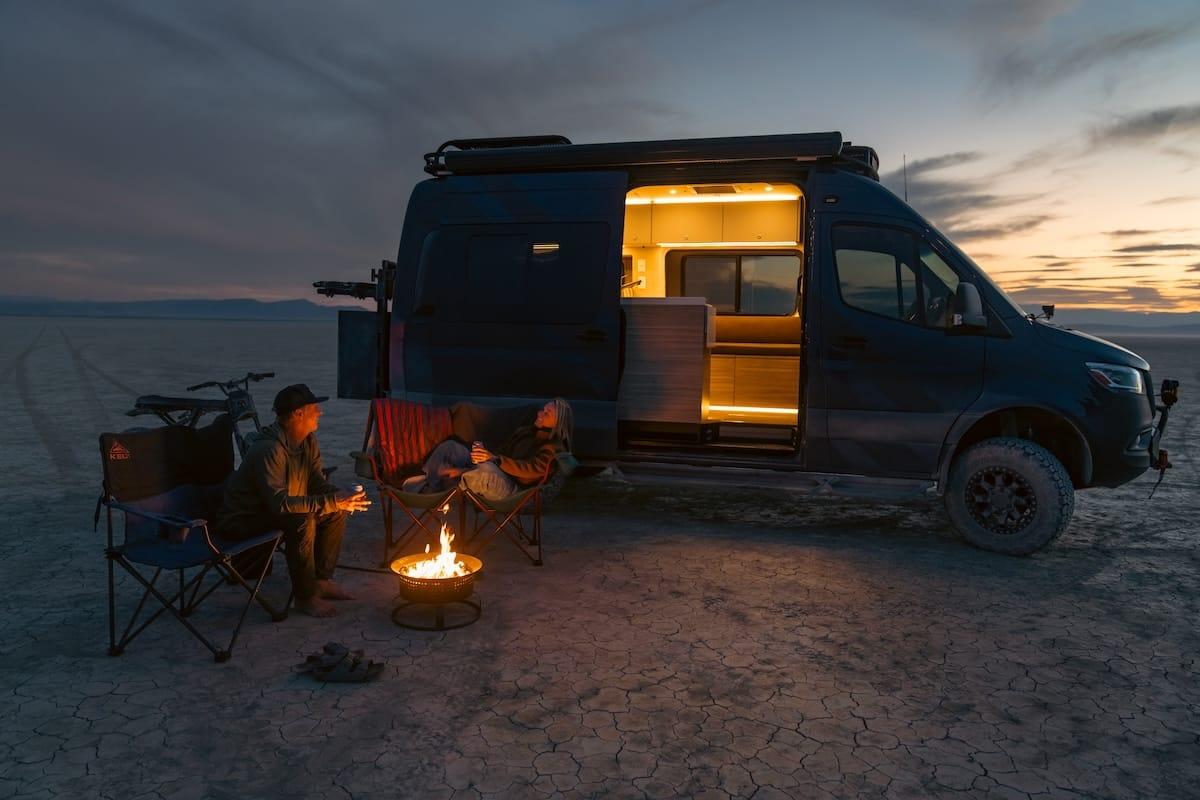
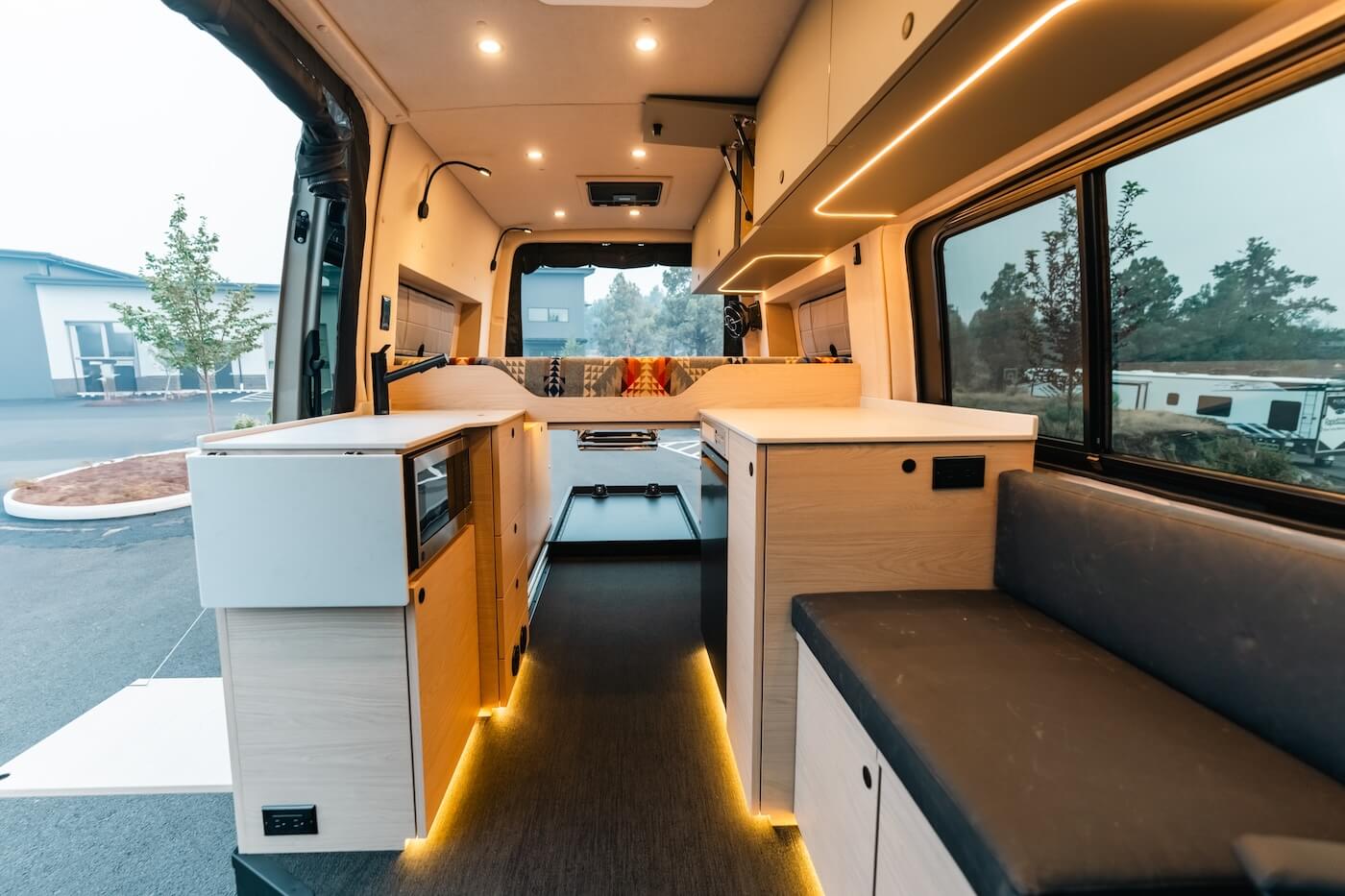
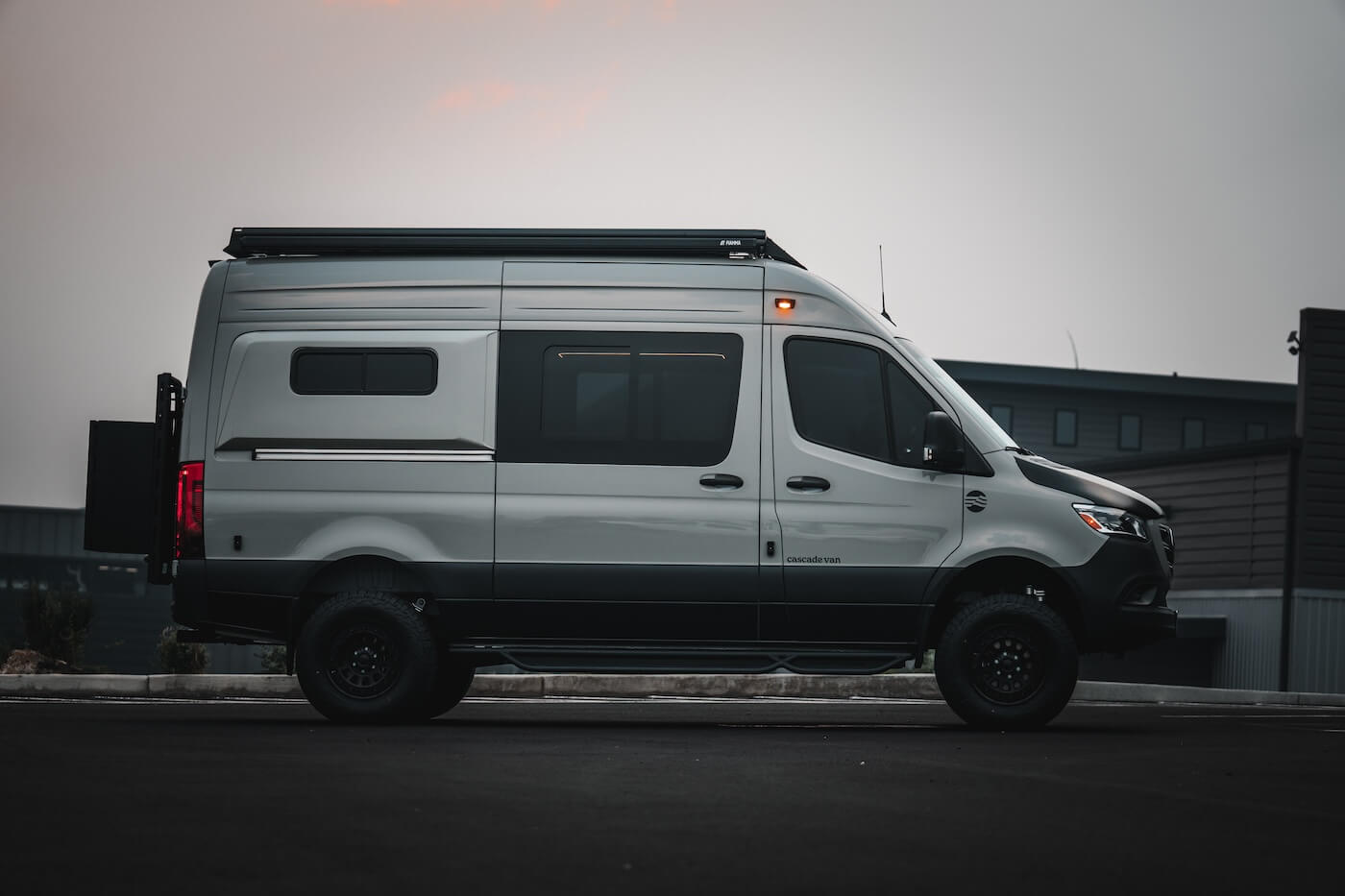
At Cascade Van, we specialize exclusively in RVIA-certified Mercedes Sprinter conversions. Our builds are engineered for four-season use in real mountain environments: lithium power systems sized for actual off-grid living, insulation that performs at elevation, and interiors that don't sacrifice function for aesthetics. If you're putting serious money into a custom conversion and want the financing, insurance, and resale value that come with doing it right, we would love to chat. Reach out to our team today to ask questions, learn more, or get started.